Haridwar
Haridwar
Haridwar, nestled at the foothills of the Himalayas, is one of the holiest cities of Hinduism. Each evening, the Ganga Aarti illuminates the ghats of the Ganges. Between temples, ashrams, and pilgrims' markets, the city is also the gateway to the Char Dham.
Haridwar, at the foothills of the Himalayas in the state of Uttarakhand, is one of the seven sacred cities of Hinduism. The Ganges leaves the mountains here to enter the Indo-Gangetic plain. Each evening, the ritual of Ganga Aarti transforms the ghats into a spectacle of flames and chants. Pilgrims, ascetics, and travelers converge here constantly, making Haridwar a gateway to the sanctuaries of the Char Dham.
Practical Information at a Glance
- Access: well-served railway station from Delhi, Dehradun, and Rishikesh; regular buses from Rishikesh (approximately 25 km).
- Alcohol and meat: prohibited throughout the city — rule strictly enforced.
- Attire: covering clothes recommended on the ghats and in temples.
- Recommended duration: 1 to 2 days for the ghats, main temples, and the Mansa Devi cable car.
- Ideal period: October-November and February-March; avoid the monsoon (July-August) for bathing in the Ganges.
What to See
The heart of Haridwar is Har Ki Pauri, the main ghat where the Ganges is considered most sacred. Hundreds of pilgrims bathe here each morning. The city also hosts numerous temples, active ashrams, and street markets selling votive flowers, rudraksha beads, and essential oils. A cable car leads to the Mansa Devi temple on Bilwa Parvat hill.
History and Context
The name Haridwar means "gateway of Hari (Vishnu)" or, in another reading, "gateway of Hara (Shiva)". The city is mentioned in Vedic texts and epics. It hosts the Kumbh Mela every twelve years — one of the world's largest human gatherings — and the Ardh Kumbh every six years. The presence of organized ghats dates back several centuries, regularly renovated by maharajas and religious trusts.
Highlights of Your Visit
Ganga Aarti at Har Ki Pauri
Each evening at sunset, priests swing large flaming lamps before the Ganges. Devotees release diyas (small floating lamps) onto the water. The atmosphere blends chanting, bells, and the scent of incense. Arrive at least thirty minutes early to secure a spot on the ghats.
Mansa Devi Temple
Perched on Bilwa Parvat hill, this temple dedicated to goddess Mansa Devi is accessible on foot or by cable car. The view of the city and Ganges from the summit is panoramic. Queues can be long during peak season; prefer an early morning visit.
Chandi Devi Temple
On Neel Parvat hill, opposite the city, this temple is served by a second cable car. Combined with Mansa Devi, it forms a classic pilgrimage circuit called Panch Tirtha.
Bara Bazaar Market
The main bazaar lines the lanes near the ghats. You'll find garlands of flowers, deity statues, pilgrim clothing, and Ayurvedic preparations. Ideal for observing the city's daily life.
Etiquette and Visiting Rules
- Remove your shoes before entering any temple.
- Photography is often tolerated on the ghats, but ask before photographing pilgrims in prayer.
- Consumption of alcohol and meat is prohibited throughout the sacred city.
- Avoid touching offerings or statues without being invited.
- Dress modestly, especially in temples and on the ghats.
Photography Tips
The Ganga Aarti offers the most striking images: warm light from the flames reflected on the water, crowds in vibrant colors. Use a tripod or increase your ISO — lighting is low. In the morning, ritual bathing in the mist offers a more intimate atmosphere. From the Mansa Devi cable car, the sweeping view of the ghats and Ganges is optimal in late morning.
Location and Access
Haridwar is located in northern Uttarakhand, approximately 200 km northeast of Delhi. The railway station is central and well-connected. Rishikesh is approximately 25 km to the north, accessible by bus or shared taxi. The nearest airport is Dehradun (Jolly Grant), approximately 35 km away. The main ghats are accessible on foot from the station. Wheelchair accessibility is limited on the stepped ghats.
Nearby Attractions
- Rishikesh — yoga capital of the world, with ashrams, suspension bridges, and Ganges rapids ideal for rafting.
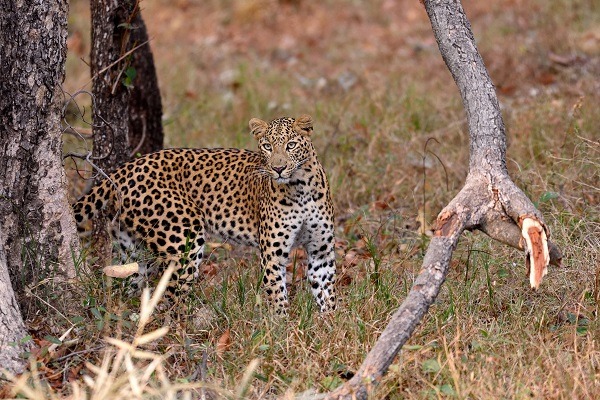
- Rajaji National Park — forest reserve at Haridwar's doorstep, habitat of elephants and leopards.
- Dehradun — capital of Uttarakhand, gateway to Mussoorie and the hills.
- Mussoorie — colonial hill station approximately 90 km away, with Himalayan views.
Frequently asked questions
October-November and February-March offer pleasant weather and less crowded ghats. Avoid July-August (monsoon) for bathing. The Kumbh Mela (every 12 years) and Ardh Kumbh (every 6 years) attract tens of millions of pilgrims — unique atmosphere but complex logistics.
Yes, pilgrims bathe daily at Har Ki Pauri. The current can be strong; stay within areas marked by chains. Outside monsoon season, bathing is generally feasible.
The ceremony is held each evening at sunset at Har Ki Pauri. Timing varies by season. Arrive at least 30 minutes early to secure a good spot on the ghats.
Absolutely. The two cities are approximately 25 km apart. Two to three days allow you to comfortably cover Haridwar's ghats and Rishikesh's ashrams.
Photography is generally tolerated on public ghats. Avoid photographing pilgrims in prayer closely without permission. Some temples prohibit cameras indoors.
Train is the most convenient option: several direct connections from Delhi reach Haridwar in approximately 4 to 6 hours depending on the service. Buses and private taxis are also available from Delhi.
Photos
Want to discover this destination?
Our local advisors design your tailor-made trip.