Keoladeo National Park
Keoladeo National Park
A UNESCO-listed wetland in Bharatpur, Keoladeo National Park is home to over 370 bird species and diverse mammalian fauna. An essential stopover between Agra and Jaipur.
Keoladeo National Park, formerly known as the Bharatpur Bird Sanctuary, is one of the most significant wetlands in South Asia. Inscribed on the UNESCO World Heritage List since 1985, this 29 km² sanctuary hosts more than 370 bird species, including Siberian cranes that once wintered here. Located in Bharatpur, Rajasthan, it forms a natural stopover between Agra and Jaipur.
Essential Information at a Glance
- Entrance : paid admission — differentiated rates for Indian visitors and foreigners
- Access : on foot, by bicycle (rental available at entrance) or cycle-rickshaw inside the park — private motorized vehicles are prohibited on the trails
- Recommended duration : 3 to 5 hours minimum to cover the main wetland areas
- Best season : October to February for migratory birds; July–August for nesting species
- Attire : neutral colors recommended to avoid startling birds; closed-toe shoes advised
- Accessibility : main pathways are flat and navigable by wheelchair or rickshaw
What You'll See
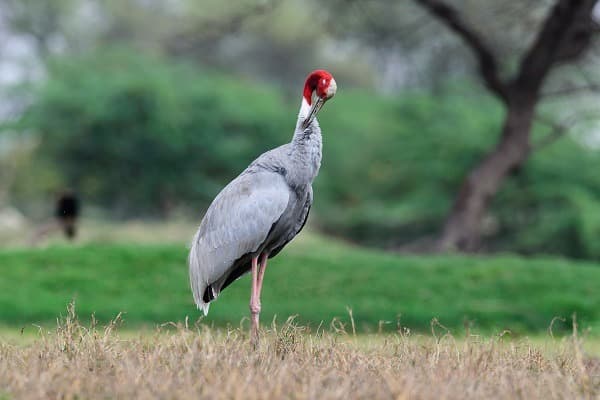
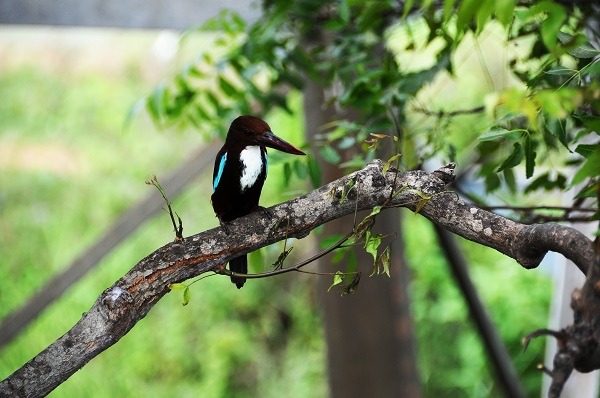
The park is a mosaic of marshes, grasslands, dry forests, and artificial channels. The central wetlands concentrate herons, egrets, painted storks (Mycteria leucocephala), ibises, and cormorants. The wooded sectors harbor raptors — pallas's eagles, falcons — as well as wild peacocks. Nilgai antelope, axis deer, and Burmese pythons complete the visible fauna.
History and Context
The site was originally a hunting ground reserved for the maharajas of Bharatpur, developed in the 19th century through a network of embankments and channels fed by the Ajan Bund canal. Waterfowl hunts attracted British viceroys; historical records document thousands of birds shot in a single day. Transformed into a protected reserve in 1956 and a national park in 1982, the site was inscribed on the UNESCO World Heritage List in 1985.
Highlights of Your Visit
Nesting Colonies
Between July and October, thousands of birds — grey herons, intermediate egrets, painted storks — nest in trees above the marshes. The spectacle of the colonies is visible from the embankments without special equipment.
Wintering Migratory Birds
From November to February, ducks, geese, and waders from Central Asia and Siberia flood the water bodies. The Siberian crane, a critically endangered species, historically wintered here — the last documented sightings date to the 2000s.
Mammalian Fauna
The nilgai (blue antelope) is ubiquitous across the grasslands. Axis deer and golden jackals are spotted early in the morning. The Burmese python is sometimes encountered coiled in trees along the water's edge.
Keoladeo Temple
At the heart of the park stands a small Hindu temple dedicated to Shiva, which gave its name to the sanctuary. It remains an active place of worship, accessible to visitors in respect of local customs.
Photography Tips
Light is optimal early in the morning, within the first two hours after opening. The embankments allow close approach to birds without disturbing them. A telephoto lens (300 mm minimum) is recommended for aquatic species. Cycle-rickshaws enable silent movement; local guides know the usual roosting spots of raptors.
Location and Access
The park is situated at the southern edge of Bharatpur town, approximately 55 km from Agra and 180 km from Jaipur. Bharatpur railway station is well-connected on the Agra–Jaipur line. Tuk-tuks and taxis link the station to the park's main entrance in minutes. The Bharatpur Fort (Lohagarh) is located within the town itself, a short distance away.
Nearby Attractions
- Bharatpur Fort (Lohagarh) — 18th-century fortress renowned for its impregnability, worth a half-day visit from the park.
- Taj Mahal – Agra — approximately 55 km away, a classic combination with an overnight stay in Bharatpur.
- Fatehpur Sikri — abandoned Mughal city, about thirty kilometers away, on the road from Agra.
- Ranthambore National Park — Rajasthan's tiger reserve, accessible in a few hours by road.
Frequently asked questions
October–February is ideal for observing migratory birds. July–September corresponds to nesting season, very lively but more humid. Avoid the hottest months (April–June) when wildlife becomes scarce.
Private motorized vehicles are prohibited on the trails. You can rent a bicycle at the entrance, take a cycle-rickshaw with a guide, or walk the embankments. The rickshaw is recommended for a silent approach to birdwatching.
An ornithological guide is not mandatory but highly recommended: local guides know the species present and the best spots according to the season. They are available at the main entrance.
Yes, this is a very common combination. Bharatpur is approximately 55 km from Agra. An overnight stay allows you to visit the park early in the morning and the Taj Mahal the same day or the next day.
Photography is allowed for personal use. A surcharge may be levied for professional equipment (tripods, video cameras). Check the conditions at the entrance at the time of your visit.
The main pathways and embankments are flat and navigable by wheelchair or cycle-rickshaw. Access to more remote areas may require adapted assistance.
Photos
Interested in this visit?
We can include it in your personalised itinerary.