Samstanling Gompa
Samstanling Gompa
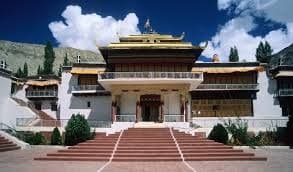
Perched above Sumur in the Nubra Valley, Samstanling Monastery is an active Gelugpa Buddhist center since the 19th century. Murals, white stupa, and views over the high-altitude desert dunes.
Perched on a rocky spur above the village of Sumur, Samstanling Monastery is one of the oldest and most active centers in the Nubra Valley. Founded in the 19th century, it belongs to the Gelugpa school of Tibetan Buddhism. Its ochre buildings overlook the sand dunes and orchards of the valley, creating a striking contrast between monastic architecture and high-altitude desert landscape.
Quick facts
- Access: Sumur sits on the main road through Nubra Valley, between Diskit and Panamik. The monastery is accessible on foot from the village via a short climb.
- Dress code: Shoulders and knees must be covered; remove your shoes before entering prayer halls.
- Suggested duration: 1 to 2 hours for a leisurely visit.
- Permit: Nubra Valley is a restricted area; an Inner Line Permit (ILP) is required for all foreign visitors.
What to see
The complex comprises several temples, prayer halls adorned with thangkas and Buddha statues, and a large white stupa visible from the road. Interior walls are covered in vibrant murals depicting deities and mandalas. A community of monks resides permanently on site.
History and context
Samstanling was founded in the 19th century by lamas of the Gelugpa school, the same tradition as the Dalai Lama. The monastery played a central role in the religious and cultural life of Nubra Valley, serving as a teaching center and gathering place for annual Buddhist festivals.
Highlights of your visit
The main prayer hall
The dukhang (assembly hall) houses large statues of Buddha Shakyamuni and Maitreya, surrounded by offerings and butter lamps. The atmosphere is contemplative, especially during the monks' morning prayers.
The valley panorama
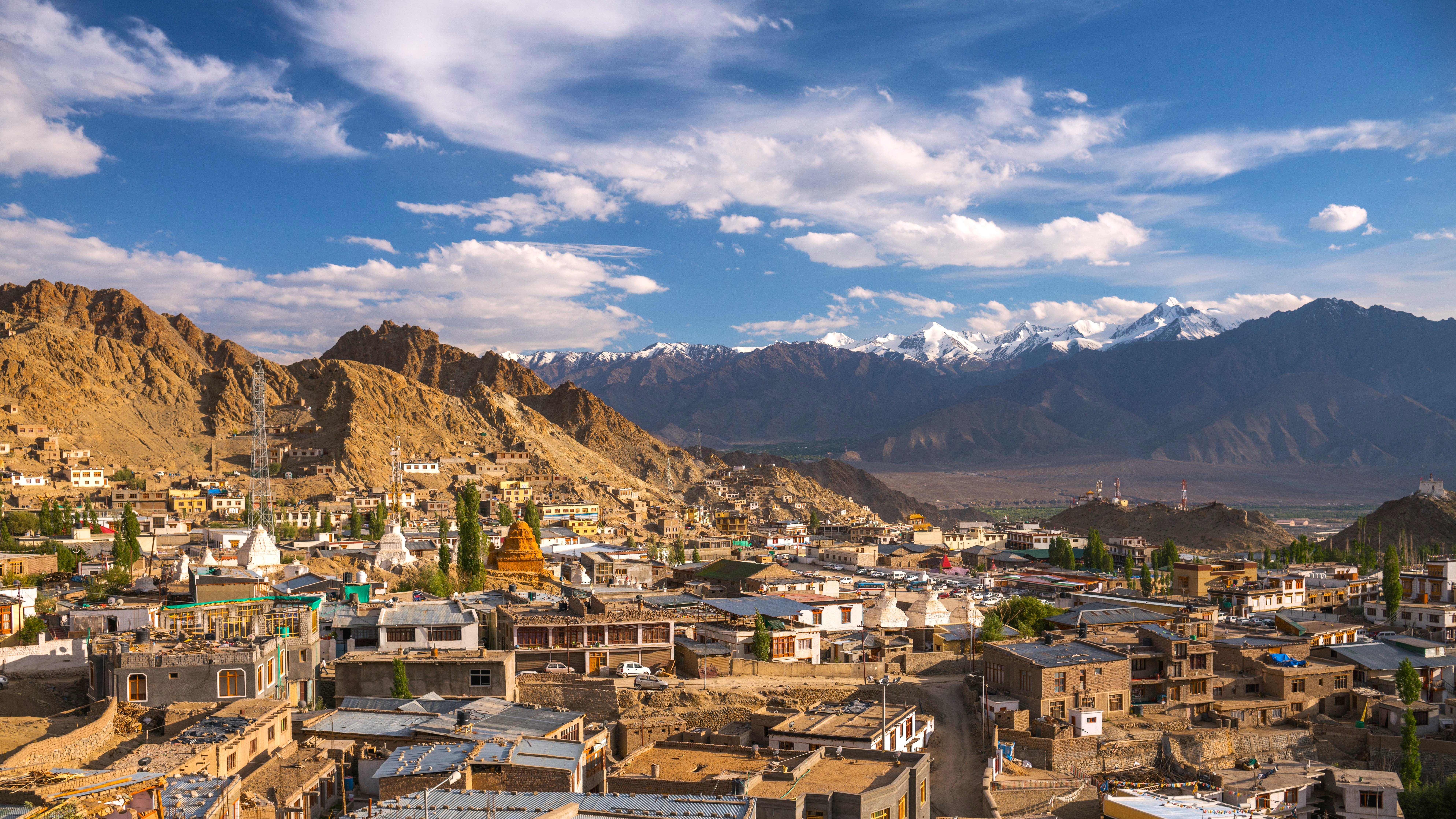
From the monastery's upper terrace, views sweep across the Hunder sand dunes, Sumur orchards, and snow-capped Karakoram peaks. This contrast between desert, vegetation, and high mountains is characteristic of Nubra Valley.
The great stupa
The white chorten at the entrance is a landmark visible from afar. The faithful circumambulate it clockwise while reciting prayers, a practice common in Tibetan Buddhism.
Etiquette and visiting rules
- Remove your shoes before entering any sacred space.
- Dress modestly: cover shoulders and knees.
- Circumambulate stupas and prayer wheels clockwise.
- Ask permission before photographing monks or ceremonies.
- Keep silent in prayer halls, especially during services.
Photography tips
Morning light is ideal for photographing the monastery's ochre facade with snow-capped peaks in the background. Late afternoon light brings out the relief of the murals beautifully. Check with the monks about which areas allow photography inside.
Location and access
Samstanling Gompa stands in Sumur, Nubra Valley, roughly 30 km north of Diskit. The road is passable by 4×4 or motorcycle. From Leh, you must cross Khardung La Pass (one of the world's highest motorable passes) before descending into the valley. No regular public transport serves Sumur; vehicle rental or an organized tour is recommended. Wheelchair access to the hilltop monastery is difficult due to the unimproved climb.
In the area
- Diskit Monastery — Nubra Valley's largest monastery, with a giant Maitreya statue towering over the dunes.
- Hunder Sand Dunes — Unusual white sand dunes at this altitude, renowned for Bactrian camel rides.
- Panamik Hot Springs — Natural thermal springs in the valley's north, welcome relief after a long day's journey.
Frequently asked questions
Yes. Nubra Valley is a restricted zone. Foreign nationals must obtain an Inner Line Permit (ILP) before entering the valley. This permit is issued in Leh by local authorities or through a travel agency.
Nubra Valley is accessible from May to October. July and August are the busiest months. June and September often offer more pleasant conditions and fewer crowds. The Khardung La Pass typically closes in winter.
Morning prayers are generally open to respectful visitors. Arrive early, remain discreet and silent, and ask permission before photographing the ceremony.
Sumur lies between Diskit and Panamik. One day allows you to visit Samstanling in the morning, the Hunder dunes early afternoon, and Diskit Monastery at day's end. A private vehicle is essential.
Yes, provided you account for the climb to the monastery, which requires moderate physical effort. Children typically enjoy the colorful murals and prayer wheels. Help them understand the respect the site deserves.
Photos
Interested in this visit?
We can include it in your personalised itinerary.