Lothal
Lothal
Lothal, in Gujarat, is one of India's best-preserved Harappan sites. With a 4,000-year-old artificial dock, grid-patterned streets, and an archaeological museum, it stands as a major destination for ancient history enthusiasts.
Lothal is one of the best-preserved archaeological sites of the Indus Valley Civilization, located in the state of Gujarat, approximately 80 km south of Ahmedabad. Founded around 2400 BCE, this port city reveals remarkable urban planning: grid-patterned streets, a sophisticated drainage system, and what is considered the world's oldest known artificial dock. For those interested in the ancient history of South Asia, Lothal is a rare and substantial stop.
Practical Information at a Glance
- Admission: Paid entry (site managed by the Archaeological Survey of India); reduced rates for Indian nationals
- Recommended duration: 2 to 3 hours for the site and museum
- On-site museum: Open daily except Friday
- Dress code: No particular restrictions; wear comfortable shoes for walking on uneven terrain
- Accessibility for people with disabilities: Limited — the site is largely outdoors on unimproved ground
What You'll See
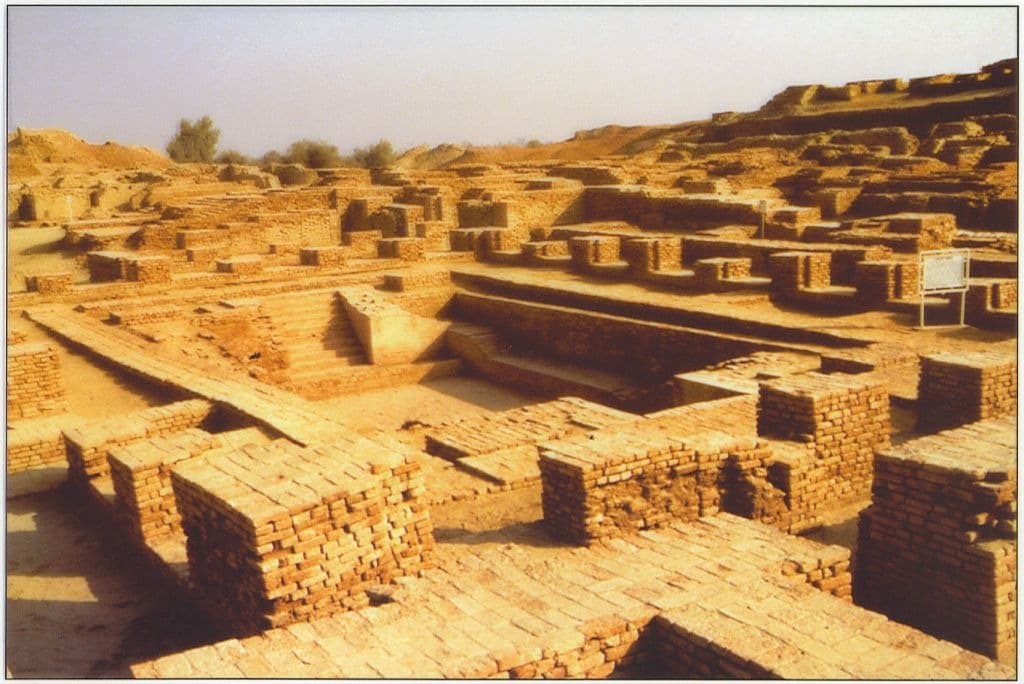
Excavations carried out since 1954 have revealed several distinct zones. The citadel (acropolis) occupied the upper part of the city; the lower town housed residences and workshops. The dock — a rectangular structure built of fired bricks measuring approximately 218 m by 37 m — is the centerpiece of the site. Warehouses, pottery kilns, and carnelian bead workshops complete the ensemble.
History and Context
Lothal (meaning "mound of the dead" in Gujarati) developed between approximately 2400 and 1900 BCE, during the mature phase of the Harappan civilization. Its position on the Sabarmati estuary made it an active trading hub, exporting beads, pottery, and copper objects to Mesopotamia and the Persian Gulf. Gradual decline, linked to repeated flooding and climate change, led to the site's abandonment around 1900 BCE.
Highlights of Your Visit
The Harappan Dock
Constructed of fired bricks with remarkable precision, this basin allowed ships to dock independently of tidal changes. Its hydraulic engineering, featuring a sluice gate and spillway, demonstrates advanced technical mastery for its era.
The Archaeological Museum
Adjacent to the site, the museum displays artifacts unearthed during excavations: steatite seals with engravings, standardized stone weights, gold and carnelian jewelry, and painted pottery. The collections vividly illustrate daily life and commercial exchange in the ancient city.
Urban Remains
The grid layout of streets, brick-lined drainage channels, and domestic wells still visible demonstrate a level of urban planning comparable to the great Harappan cities of Mohenjo-daro and Harappa.
Photography Tips
Morning light is ideal for photographing the dock: the ochre-colored bricks stand out beautifully before the sun reaches its zenith. Bring a wide-angle lens to capture the expanse of the basin. The museum is dimly lit; a camera with strong low-light performance or a lightweight tripod is useful. Photography is generally permitted on the outdoor site.
Location and Access
Lothal is located in Ahmedabad district, approximately 80 km south of the city. The most convenient access is by car or taxi from Ahmedabad. The nearest railway station is Lothal-Bhurkhi, on the Ahmedabad–Bhavnagar line, a few kilometers from the site. Local buses connect Ahmedabad to Bagodara, after which local transport is necessary. Most visitors arrange a day trip from Ahmedabad.
In the Surroundings
- Old City of Ahmedabad — UNESCO World Heritage-listed historic center, approximately 80 km to the north.
- Dholavira — another major Indus Valley Civilization site in Gujarat, inscribed as UNESCO World Heritage in 2021, in the Rann of Kutch.
- Rani ki Vav — ornately carved stepwell in Patan, a UNESCO World Heritage site.
Frequently asked questions
The dry season, from October to March, is most pleasant. Gujarati summers are intensely hot, and the monsoon (June-September) can render the site muddy and difficult to access.
Allow 2 to 3 hours to thoroughly explore the archaeological site and the attached museum.
Yes. Dholavira, in the Rann of Kutch, is the other major Harappan site in Gujarat. Both can be visited over several days from Ahmedabad, potentially adding Patan and Modhera as well.
Local guides are sometimes available at the site entrance. For an in-depth visit, it is advisable to arrange an English-speaking guide from Ahmedabad before departing.
The outdoor site is accessible for children, though the terrain is uneven. The museum, with its tangible artifacts (jewelry, seals, pottery), typically captures the attention of younger visitors well.
Rules may vary by gallery. It is best to check with staff at the museum entrance on the day of your visit.
Photos
Want to discover this destination?
Our local advisors design your tailor-made trip.