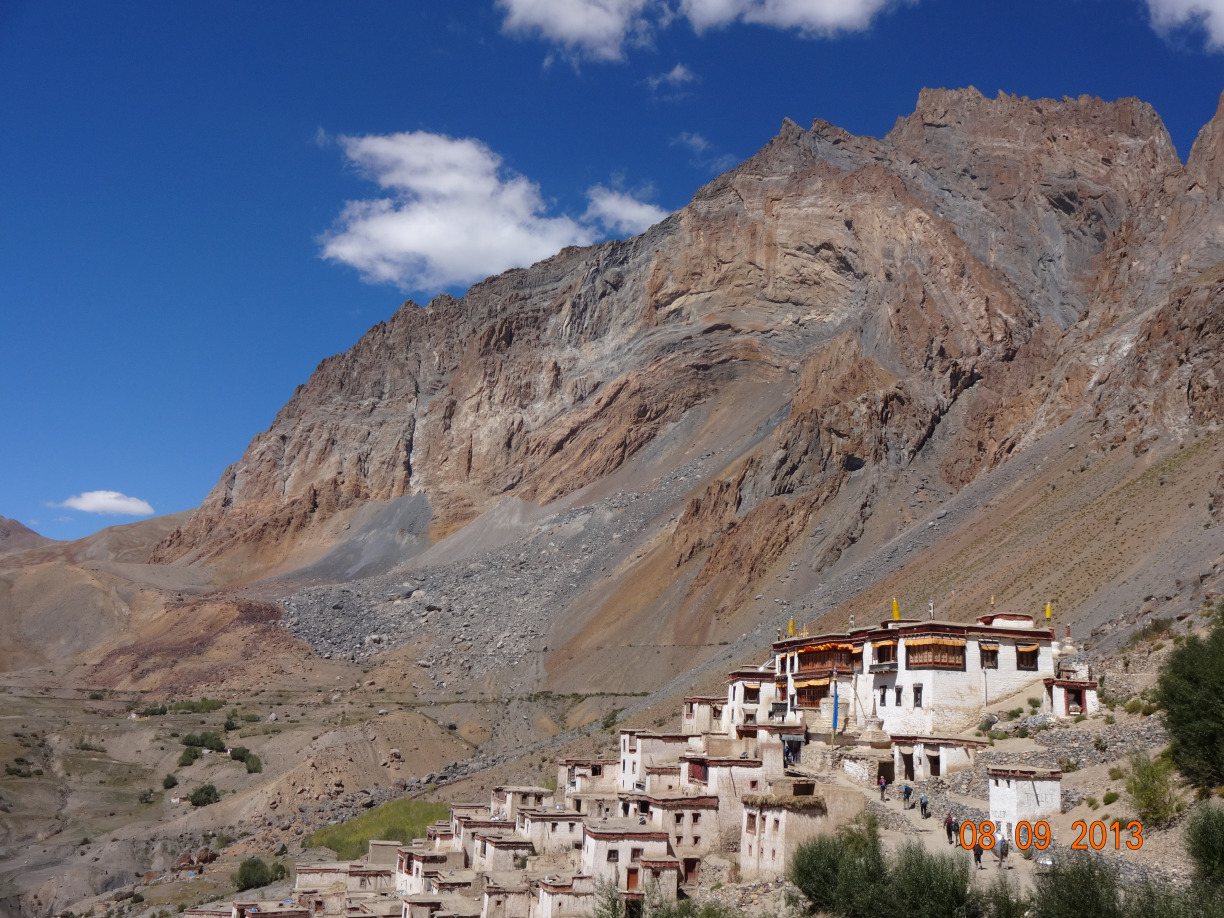
Dhauli Giri
Dhauli Giri
On the Dhauli hill overlooking the Daya river, Ashoka's rock edict and the Shanti Stupa mark the place where the Battle of Kalinga transformed an empire. A major historical and spiritual site 8 km south of Bhubaneswar.
Dhauli Giri is a hilltop overlooking the Daya river, roughly ten kilometers south of Bhubaneswar. It was here, in 261 BCE, that the Battle of Kalinga took place—a decisive turning point that prompted Emperor Ashoka to embrace Buddhism. The site brings together one of India's best-preserved Mauryan rock edicts and a peace pagoda built in the twentieth century, making Dhauli both a place of historical memory and spiritual retreat.
Quick Practical Information
- Access: approximately 8 km from Bhubaneswar via NH-316; reachable by auto-rickshaw, taxi, or private vehicle from the city.
- Admission: the rock edict site is free to enter; the Shanti Stupa is also open with no entrance fee.
- Recommended duration: 1 to 2 hours for the entire site.
- Dress code: respectful attire recommended inside the pagoda.
What You'll See
Two main elements structure the visit. At the foot of the hill, a protected rock bearing Ashoka's edicts carved in Brahmi script and Prakrit is sheltered beneath a metal canopy. Atop the summit stands the Shanti Stupa (Peace Pagoda), built in 1972 by Japanese and Indian Buddhist organizations, commanding views across the Odisha plains and the Daya river. Relief panels around the stupa illustrate scenes from the Buddha's life.
History and Context
The Battle of Kalinga pitted Ashoka's armies against the kingdom of Kalinga. The bloodshed—hundreds of thousands dead according to historical accounts—triggered a profound moral crisis in the emperor. He converted to Buddhism and had these edicts carved into the rock, proclaiming non-violence, tolerance, and respect for all beliefs. These inscriptions rank among the earliest written documents in Indian history and constitute a primary source of exceptional importance for understanding Mauryan statecraft.
Highlights of Your Visit
Ashoka's Rock Edict
The rock bears fourteen major edicts, some of them addressed directly to local officials. The upper portion is sculpted in the form of an elephant emerging from stone—a symbol of nascent Buddhism. The entire ensemble is protected by the Archaeological Survey of India.
The Shanti Stupa
Perched atop the hill, the white stupa offers sweeping views of the Odisha plain and the Daya river. The bas-reliefs encircling it depict the Buddha's birth, enlightenment, and first sermon. The atmosphere here is serene, ideal for quiet contemplation.
Etiquette and Site Rules
- Remove your shoes before entering the stupa grounds.
- Speak softly within the pagoda.
- Do not touch the rock edict's sculptures.
Photography Tips
Morning light is ideal for photographing the white stupa without backlighting. From the summit, the panorama over the Daya river becomes clearest mid-to-late morning. The elephant carved into the rock stands out best in raking light, early morning or late afternoon. Photography is permitted throughout the site.
Location and Access
Dhauli Giri sits on the left bank of the Daya, approximately 8 km south of Bhubaneswar. Highway NH-316 connects the site directly to the city center. Auto-rickshaws and taxis depart regularly from Bhubaneswar. The site is also included in many organized tours departing from the city. Access to the summit is on foot via stairs; accessibility for visitors with limited mobility is limited.
In the Vicinity
- Lingaraja Temple — Bhubaneswar's largest Shaivite temple, dating to the eleventh century, approximately 10 km to the north.
- Mukteshvara Temple — a masterpiece of tenth-century Kalinga architecture, renowned for its refined sculptures.
- Odisha State Museum — archaeological and natural history collections tracing the region's past, in the city center.
- Udayagiri and Khandagiri Caves — Jain caves carved from rock, dating to the second century BCE, roughly fifteen kilometers away.
Photos
Interested in this visit?
We can include it in your personalised itinerary.